Dirty fireplace glass is one of those things that seems purely cosmetic until you realize it's also a signal. A wood fireplace with properly seasoned hardwood and good draft shouldn't be turning its glass black after every fire. A gas fireplace glass should stay relatively clear throughout the season. When the glass goes dark faster than it should, something is causing incomplete combustion.
What's Actually Happening
Fireplace glass blackens from soot and carbon deposits — the byproduct of incomplete combustion. When fuel burns completely, it produces primarily water vapor and CO2. When combustion is incomplete, it produces carbon particulates (soot) that land on every nearby surface, including the glass.
Incomplete combustion in a fireplace is usually caused by one of three things: insufficient oxygen supply to the fire, fuel that doesn't burn cleanly, or heat that isn't high enough to complete combustion. The glass is just showing you what the burn is actually producing.
Common Causes in Wood-Burning Fireplaces
Unseasoned or wet wood is the most common cause of black glass in a wood fireplace. Wood that hasn't been properly dried — seasoned for at least six months to a year after cutting, to bring moisture content below 20% — burns slowly and incompletely, producing significantly more soot and smoke than dry hardwood. The glass goes black fast, and the flue accumulates creosote faster as well.
Poor draft is the second common cause. If the chimney isn't drawing properly — due to a cold flue, a partial blockage, a damper that doesn't open fully, or negative air pressure in the house — smoke lingers in the firebox rather than rising promptly. The glass absorbs it.
Smoldering fires rather than hot, active ones: a fire that's been dampened down significantly to slow burning sits at a lower temperature, producing more unburned particulates. Small, hot fires are cleaner than large, smoldering ones.
A moisture meter is a practical tool for anyone burning wood regularly. Wood at 20% moisture content or below burns cleanly; wood at 30% or above produces significantly more soot, creosote, and glass blackening.
Common Causes in Gas Fireplaces
Gas fireplaces produce much less soot than wood under normal operation — which is why significant glass blackening in a gas unit is a more notable concern.
A gas fireplace glass going black typically indicates one of these:
Incorrect gas pressure — if the pressure is too high or too low for the burner design, combustion becomes less complete. This is a technician diagnosis and adjustment.
Dirty burner ports — over time, ports can become partially clogged with debris or carbon, disrupting the flame pattern and causing incomplete combustion in affected zones.
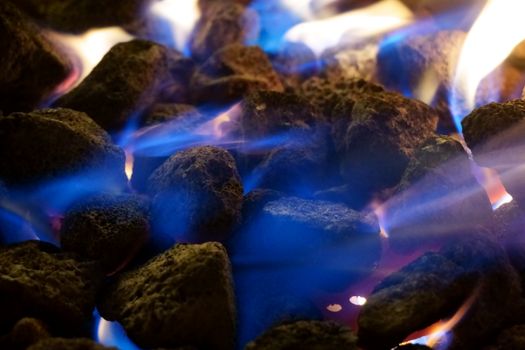
Disturbed log or media arrangement — ceramic gas logs are positioned very specifically relative to the burner to create the correct flame pattern. If they've shifted (say, during cleaning), the flame distribution changes and soot production increases.
Air supply issues — gas fireplaces need a specific air-to-gas ratio. On direct-vent units, a partially blocked intake can create a rich mixture that burns incompletely.
Cleaning the Glass vs Fixing the Problem
Cleaning the glass addresses the symptom. If the underlying cause — wet wood, poor draft, incorrect burner calibration — isn't addressed, the glass goes black again in short order.
For wood fireplaces: switch to properly seasoned hardwood, check that the damper is fully open before lighting, and warm the flue before the main fire if draft has been an issue. If the glass blackens quickly even with dry wood and proper technique, have the chimney inspected for draft issues.
For gas fireplaces: if cleaning doesn't result in significantly slower glass blackening, the burner, gas pressure, and log arrangement should be assessed by a technician before the next season.
How to Clean Fireplace Glass
Always clean fireplace glass when it's cool — working on hot ceramic glass risks cracking.
For wood fireplace glass: ceramic glass cleaner from a fireplace specialty store works best. Apply, let sit for a few minutes, and wipe with a soft cloth. For stubborn deposits, a paste made from ash and water (wood ash contains lye, which cuts through carbon deposits) applied with a damp cloth is an old-fashioned approach that actually works. Rinse thoroughly.
For gas fireplace glass: use ceramic glass cleaner formulated for gas appliances. Don't use standard glass cleaner — it can leave a residue that clouds at operating temperatures.
When to Call a Professional
Call for service if: gas fireplace glass is going black with regular use (burner inspection needed); wood fireplace glass goes dark after every fire despite using properly seasoned wood (draft or damper issue); you notice the glass becoming pitted or permanently clouded rather than just dirty (glass may need replacement). Annual fireplace cleaning and inspection catches these issues as part of the regular service.