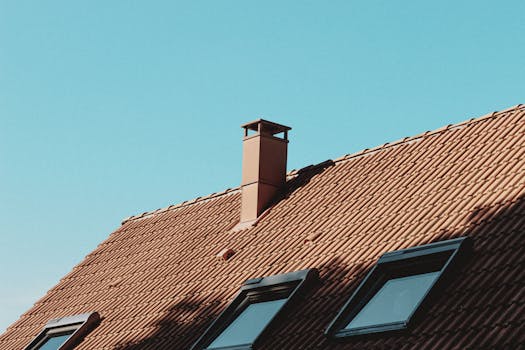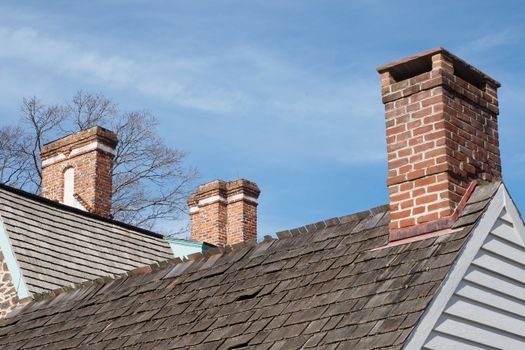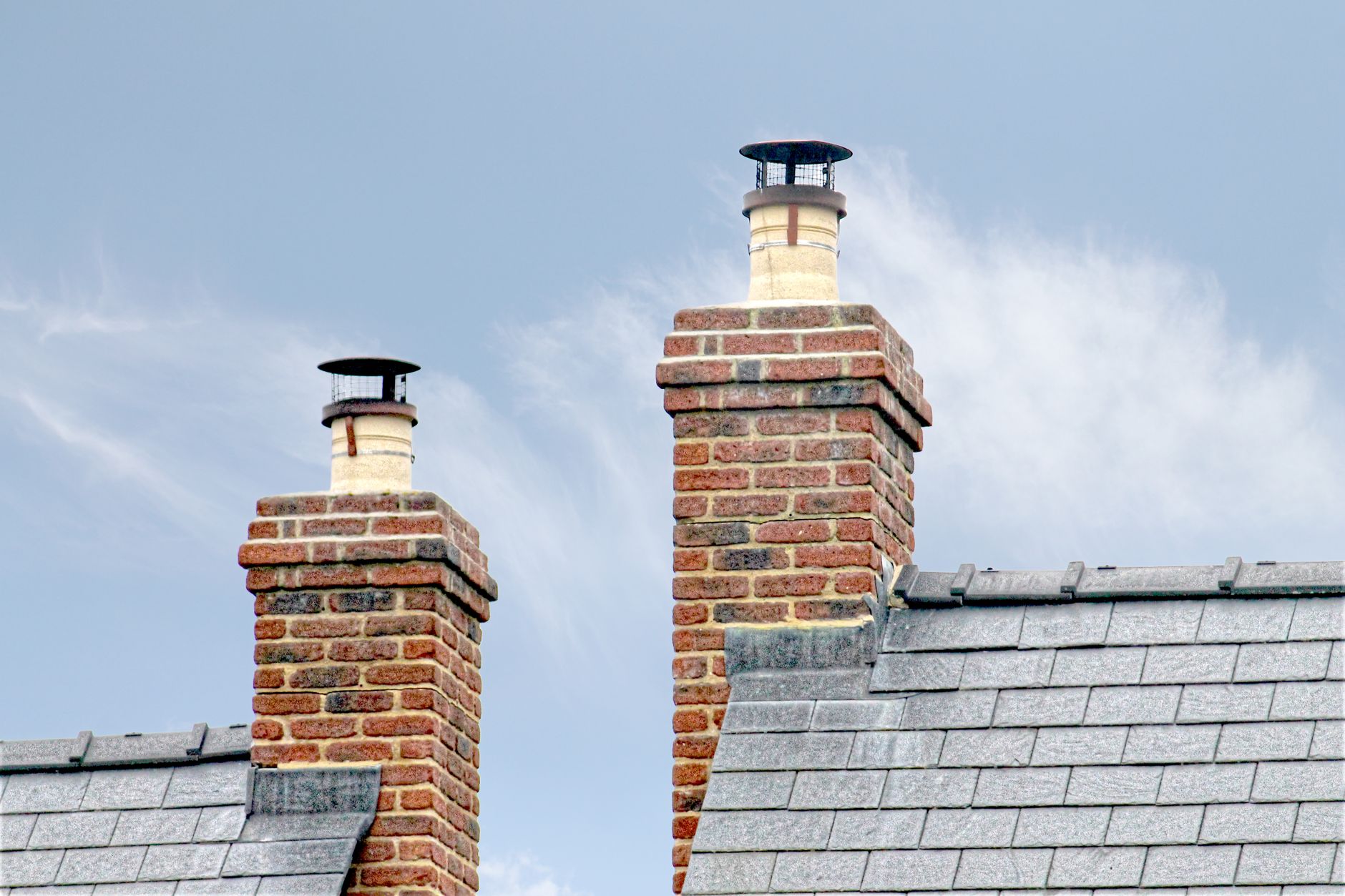
A chimney without a cap is, mechanically speaking, a hole in your roof. Rain falls directly into the flue, saturating the liner tiles and the firebox masonry below. Wildlife find it and move in — sometimes with nesting material, sometimes with an attitude. Sparks from fires exit the flue freely and land on your roof, your neighbor's roof, or the dry brush that covers much of California.
A chimney cap addresses all of these problems for a one-time installation cost. And yet, a surprisingly large number of California chimneys either have no cap or have one that's rusted, broken, or barely hanging on.
What a Chimney Cap Does
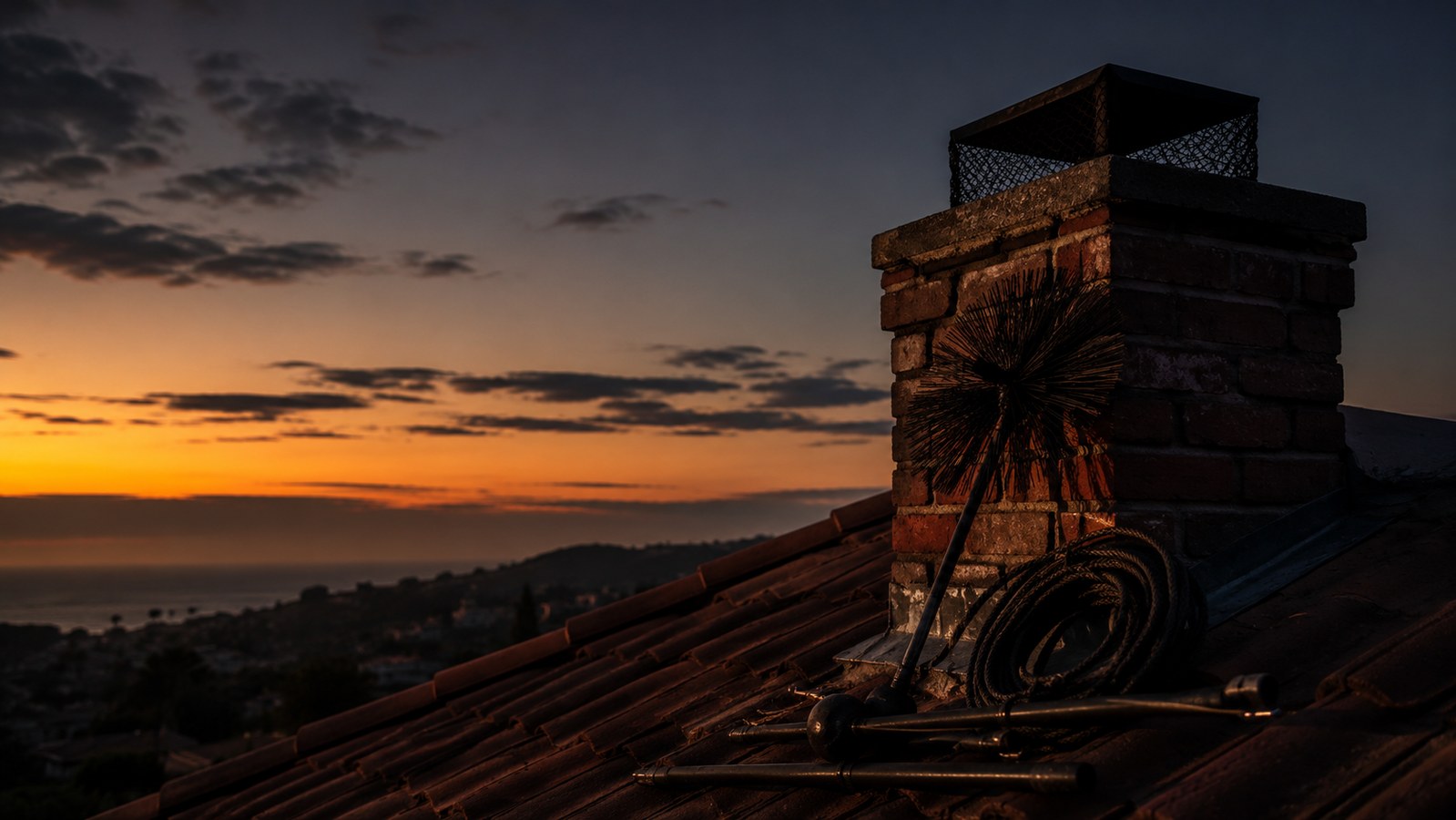
A properly installed cap sits on top of the flue tile, secured with set screws. It has a solid top plate that blocks rain, debris, and anything falling from above, and a mesh screen around the sides that lets combustion gases exit while blocking sparks from escaping and wildlife from entering.
NFPA 211 specifies that spark arrestor mesh should have openings no larger than 5/8 inch — large enough that gases and exhaust pass freely, small enough to stop most sparks and wildlife.
- ›Blocks rain and snow from entering the flue — prevents liner tile saturation and freeze-thaw cracking
- ›Keeps birds, squirrels, raccoons, and other wildlife from nesting inside the flue
- ›Stops sparks and embers from exiting the chimney — important in fire-prone California
- ›Reduces downdraft on windy days, which can push smoke back into the living room
- ›Keeps leaves, twigs, and debris from accumulating on the smoke shelf
Types of Chimney Caps
Not all caps are the same, and the differences matter for how long yours will last.
Galvanized steel is the most affordable option and the most common type on older homes. It works fine in dry climates but rusts significantly faster in coastal California, where salt air accelerates corrosion. Expect to replace a galvanized cap sooner than a stainless or copper one.
Stainless steel is the better all-around choice for most California homes. It resists corrosion, handles the thermal cycling of regular burning well, and holds up in coastal environments. A quality stainless cap holds up well with annual checks.
Copper is the premium option. It doesn't rust, develops a natural patina over time, and is the most durable of the three. It costs more upfront, but on a chimney you plan to keep, the math often works in its favor over the long run.
For prefabricated, factory-built fireplaces, the relevant component is the chase cover — a flat metal cap that covers the entire wood-framed chase. These are typically galvanized steel from the factory and are the first component to rust out. A rusted chase cover is a common source of water damage on prefab chimneys.
Multi-flue or top-mount caps cover the entire chimney top rather than individual flue openings. They're a good option for chimneys with more than one flue and also serve as a secondary layer of protection for the chimney crown.
California's Wildfire Risk and the Spark Arrestor
In California, the spark arrestor function of a chimney cap is not just about preventing a fire on your own roof. It's about preventing a fire that starts on your roof and spreads.
California has tens of millions of homes in or adjacent to areas designated as Very High Fire Hazard Severity Zones — areas where the combination of vegetation, terrain, and wind patterns creates severe wildfire risk. In these zones, a chimney without a spark arrestor is a genuine liability.
Live sparks and embers can exit an open flue, travel on the wind, and land on dry vegetation or neighboring homes. A cap with a properly sized mesh screen — per the NFPA 5/8-inch specification — dramatically reduces this risk. If you're in a fire-prone part of California and your chimney doesn't have a functioning cap, that's not a deferred maintenance item. It's a fire safety issue.
Signs Your Cap Needs Replacement
Caps don't always fail dramatically. They often deteriorate slowly, in ways that are easy to miss from ground level. Here's what to look for during an annual inspection or with binoculars from your yard:
- ›Rust staining on the cap or visible rust on the mesh screen — indicates the metal is corroding and will soon fail
- ›A bent, loose, or missing mesh screen — the screen is the first component to get damaged in high wind or from debris
- ›The cap is sitting at an angle or appears to have shifted — set screws can loosen over time, especially after freeze-thaw cycles
- ›The top plate is visibly cracked, bent, or has gaps — a damaged top plate lets rain in
- ›Water in the firebox after rain, combined with a visible cap — the cap may be seated incorrectly or cracked
- ›Bird activity near the chimney top — birds sometimes pry or push under a loose cap screen
What Happens When You Skip the Cap
Water entering an uncapped flue does damage progressively and silently. The clay tile liner absorbs moisture from every rainstorm. That moisture freezes during cold snaps in the Sierra foothills and foothill communities of Southern California, and the expansion cracks the tiles. Cracked tiles allow combustion gases — including carbon monoxide — to escape through the surrounding masonry rather than exiting through the top of the flue.
On the wildlife side, birds and squirrels move in quickly. A single season of nesting can produce enough material to partially or fully obstruct the flue, which creates smoke problems when you use the fireplace and — in the worst case — a fire hazard if the nest material is still present when you light the first fall fire.
Chimney swifts, a protected migratory bird, are legally protected under the Migratory Bird Treaty Act while nesting. If they establish a nest before a cap is installed, you cannot remove it until the birds have migrated in fall. Capping the chimney in spring — before they arrive — is the only legal and practical solution.
When to Call a Professional
If your chimney doesn't have a cap, schedule installation before the next rain season or burning season, whichever comes first. If it has an existing cap, have it inspected annually — the mesh screen accumulates debris that restricts airflow, and the set screws and metal can deteriorate in ways that aren't visible from the living room.
Cap installation is a straightforward service that can usually be completed in under an hour. It is almost always the best single investment you can make in preventing chimney water damage.