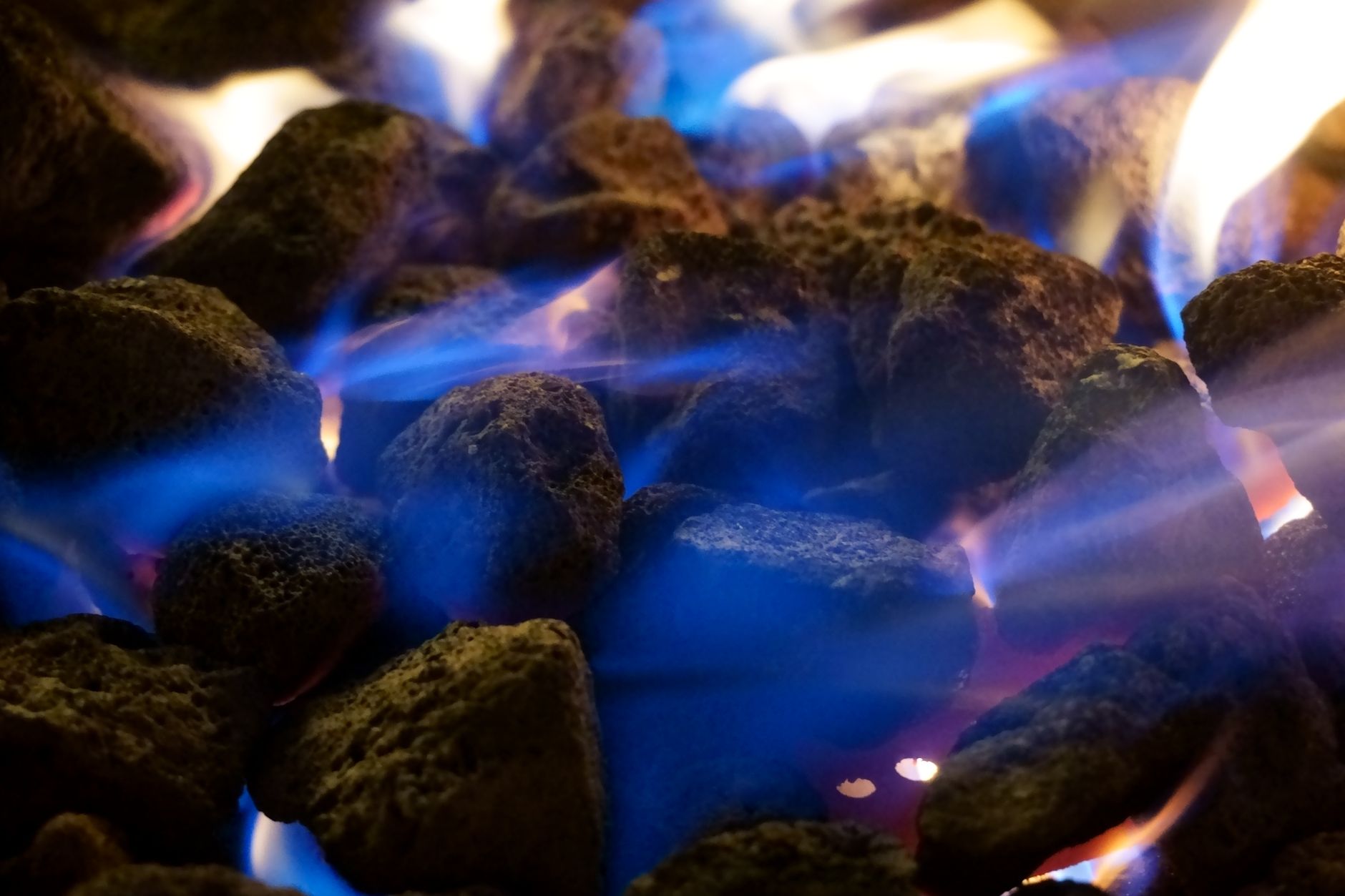
The most common misconception about gas fireplaces is that they're maintenance-free. Gas burns clean, so what's to clean? As it turns out, quite a bit — and more importantly, quite a bit to inspect.
What Gas Fireplaces Don't Produce
This part is true: gas fireplaces don't produce significant creosote. Creosote requires wood combustion, and natural gas or propane burns far more completely. So the flue of a gas fireplace doesn't accumulate the black, flammable deposits that make annual sweeping mandatory for wood burners.
That's the good news. Now for the rest.
What Still Needs Attention
Even without creosote, a gas fireplace needs regular inspection and periodic cleaning:
- ›Dust and debris on the burner — accumulated dust on the burner tray and log set can cause uneven burning, odd smells, and in some cases, small flare-ups
- ›Ceramic gas logs — they become coated with carbon over time, affecting appearance and flame distribution
- ›Glass doors — the interior glass develops white calcium deposits from combustion that obstruct the view and can affect heat transmission
- ›Pilot light and igniter — corrosion on the thermocouple or thermopile is the most common reason a gas fireplace won't ignite, and it's a simple fix when caught early
- ›Vent and flue connections — direct-vent gas fireplaces use a sealed two-pipe venting system that can develop small leaks at joints over time
- ›Wildlife — an uncapped vent termination is an open invitation for birds and insects
The Safety Reason
Carbon monoxide is the specific risk with gas appliances that doesn't apply to wood burning in the same way. Natural gas combustion produces carbon monoxide as a normal byproduct. That CO must exit through the venting system — it is not supposed to enter the living space.
A cracked or improperly seated vent connection, a blocked flue termination, or a failed thermocouple that keeps the pilot burning at a wrong mixture can all allow elevated CO levels to build in the room. A CO detector is the first line of defense. Annual inspection is the second.
If your CO detector ever alerts with a gas fireplace running, shut the unit off, open windows, and get outside immediately. Call the gas company — not a chimney company — as your first call in that situation.
What a Gas Fireplace Service Includes
A proper annual gas fireplace service covers:
Burner inspection — check for proper flame pattern, color, and distribution. Gas flames should burn blue with orange tips. A predominantly yellow or orange flame indicates incomplete combustion.
Log set cleaning — carefully vacuum and clean the ceramic logs and burner tray without disturbing the log arrangement (which is calibrated for proper combustion).
Glass cleaning — clean the interior ceramic glass with the correct product.
Pilot and ignition check — verify the pilot flame is the right height, test the thermocouple, and confirm the igniter fires reliably.
Vent check — inspect the vent termination cap for obstructions and confirm the vent connections are secure.
When to Call a Professional
Call for annual inspection before the heating season. Call immediately if you notice a gas smell near the fireplace, hear an unusual sound when igniting, see a yellow or orange flame when the appliance is supposed to burn blue, or have any CO detector alerts.
Gas appliance service is not a DIY job for most homeowners. The gas connections, venting, and sensor systems require calibration and specific knowledge to test properly.