Homeowners call us with leaks, describe the problem carefully, and then mention something about the 'chimney cap cracking.' Often what they're describing is actually the crown — a completely different component. The mix-up is understandable since both are at the top of the chimney, both are involved in water protection, and the industry sometimes uses these terms loosely.
But they're different parts, and getting them confused means you might ask for the wrong service, not get the problem fixed, and wonder why the leak is still there.
The Chimney Cap: The Metal Hat on Top
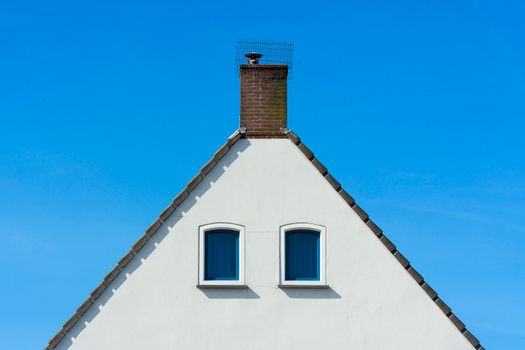
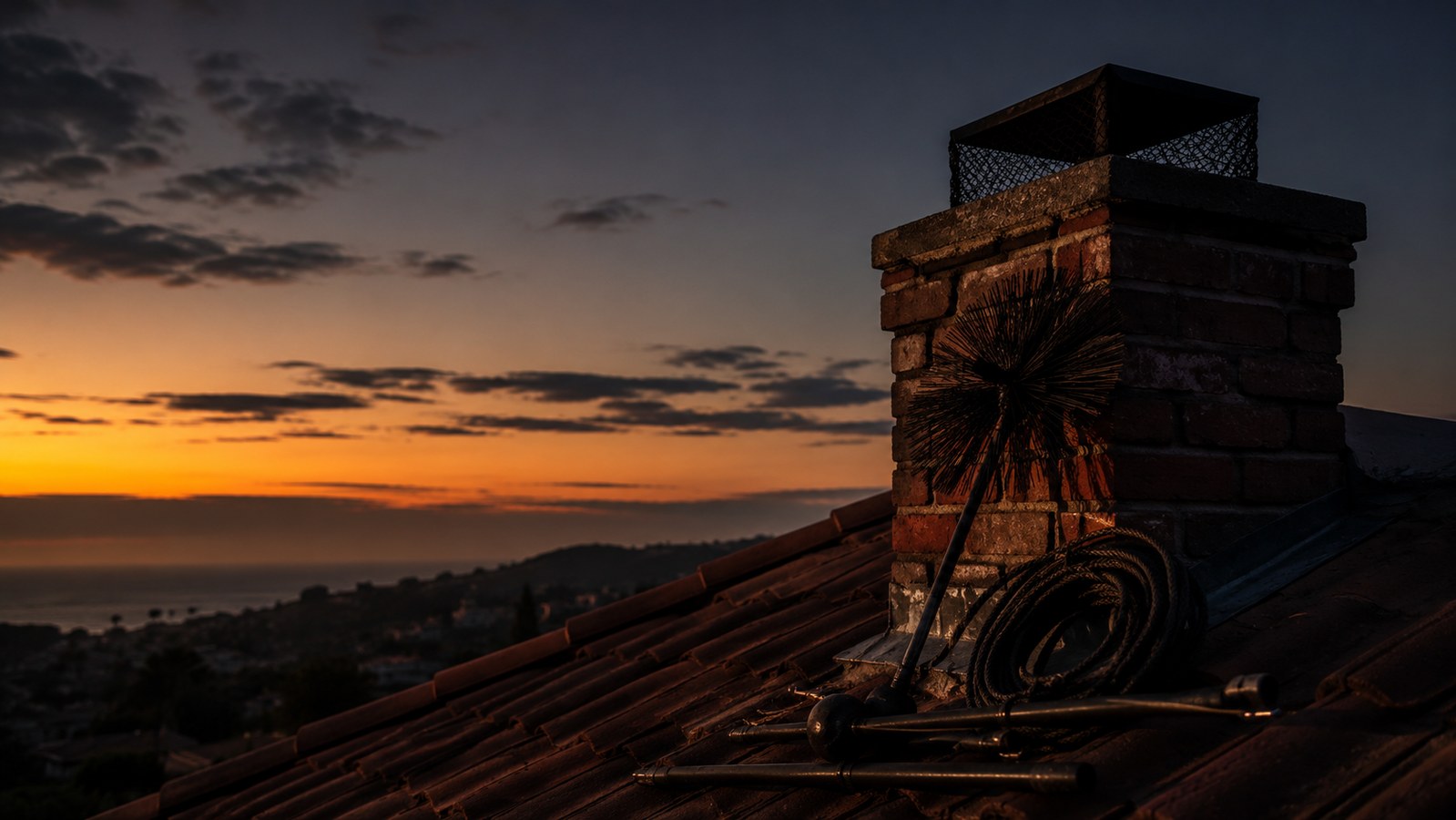
The chimney cap is the metal component that sits directly on top of the flue tile, covering the flue opening. It typically has a solid top plate and mesh sides, secured to the flue tile with set screws.
Its job is to prevent rain from falling directly into the flue, keep wildlife out, block debris, and — on wood-burning chimneys — serve as a spark arrestor. It's a relatively small, purpose-built piece of hardware, and it's replaceable as a standalone service.
Chimney caps are available in galvanized steel, stainless steel, and copper. They fail by rusting, by the mesh screen getting bent or clogged, or by the set screws loosening so the cap rocks in wind. When the cap fails, rain goes into the flue.
The Chimney Crown: The Concrete Seal on Top
The chimney crown is the concrete or mortar structure that covers the top of the chimney — not the flue opening itself, but the space between the outer edge of the flue tile and the outer edge of the chimney brick. Think of it as the flat or gently sloping top surface of the chimney, with a hole in the middle where the flue tile sticks up.
A properly built crown extends at least 2 inches past the chimney's outer edge on all sides, has a slight downward slope to shed water away from the flue, and has a drip edge to direct water off the masonry rather than letting it run down the chimney face.
When the crown cracks — from freeze-thaw stress, poor original construction, or simple aging — water infiltrates the masonry directly rather than being shed away. Crown damage is one of the most common causes of liner deterioration, because water sits in those cracks, freezes, and expands, forcing the cracks wider with each cold season.
Many older California chimneys were built with flat crowns that sit flush with the chimney top — no overhang, no slope. These are not compliant with current standards and fail faster than properly constructed crowns. If your chimney was built before 1990 and you've never had the crown assessed, it's worth a look.
The Chase Cover: The Third Component People Forget
If your fireplace is a prefabricated, factory-built unit inside a wood-framed surround — common in California homes built from the 1970s onward — there's a third component at the top of the structure: the chase cover.
The chase cover is a flat metal plate that sits on top of the framed wood chase, surrounding the flue pipe. It's the entire top surface of the chase — which is structural, since it prevents rain from entering the wood framing.
Factory-installed chase covers are usually thin galvanized steel. They rust. The rust eventually creates holes and gaps, and at that point, water is pouring into the wood framing of the chase — causing rot, mold, and potentially significant structural damage to the chase itself. Chase cover replacement is a separate service from cap replacement and crown repair, but the symptom — water in the firebox or brown ceiling staining — looks the same from inside the house.
How They Work Together
In a masonry chimney with a clay tile liner, the system works like this: the crown sheds water away from the flue and the masonry. The cap covers the flue opening and prevents rain from entering the liner directly. Both need to be intact and properly functioning for the chimney to be water-tight.
In a prefab chimney with a wood chase, the chase cover does what the crown does on a masonry chimney — it protects the entire top of the structure. The cap on the flue pipe does what a cap always does.
When people report a 'chimney leak,' it's one of these components — or the flashing at the roofline — that's failed. The inspection identifies which.
When to Call a Professional
If you see water in the firebox after rain, staining on ceilings or walls near the chimney, efflorescence on the exterior brick, or rust streaking from the top of the chimney, call for a rooftop inspection. The technician can assess the cap, crown, and flashing from above and identify the water entry point. Each component is a separate repair, and knowing which one is actually failing prevents you from paying for the wrong fix.
If the inspection confirms crown damage, our chimney crown repair service covers targeted crack sealing through full crown reconstruction.